
Fertility Patient Checklist 2026: Cut Costs 40% & Start in 14 Days
- 4 days ago
- 9 min read

Navigating fertility treatment is often time-consuming and costly, but AI-driven personalized checklists are changing the game. 78% of women under 40 prioritize clinics starting treatment within two weeks, and for good reason. Personalized test panels driven by AI algorithms can reduce unnecessary fertility testing by up to 40%, saving both time and money while accelerating your path to parenthood.
Table of Contents
Key Takeaways
Point | Details |
AI personalization reduces unnecessary fertility tests by 40% | This cuts costs and delays, speeding up treatment start. |
Rapid treatment protocols enable treatment start within about 14 days | Most AI-driven clinics achieve this compared to 90 days traditionally. |
AI embryo scoring improves implantation success by up to 20% | Technology-driven selection enhances outcomes over conventional methods. |
Patients prefer clinics offering treatment start in under 2 weeks | 78% prioritize speed when choosing fertility clinics. |
24/7 mobile communication improves patient satisfaction by 25% | Continuous support via apps and messaging reduces stress during treatment. |
How to Choose Your Fertility Checklist: Key Selection Criteria
Choosing the right fertility checklist starts with understanding what matters most to you. Speed of treatment start is the highest priority for most women under 40. 78% of women prioritize rapid treatment initiation within two weeks, reflecting a clear demand for clinics that minimize wait times. Traditional fertility clinics often require up to 90 days before starting treatment, but AI-driven facilities can reduce this timeline to approximately 14 days by eliminating unnecessary delays.
Personalization must factor in your ovarian reserve and fertility profile. AI technology analyzes your specific situation to recommend only the tests you actually need. This AI personalization reduces unnecessary tests by up to 40%, saving both cost and time while maintaining high diagnostic accuracy. You avoid paying for tests that won’t change your treatment plan.
Technology integration like mobile support enhances your treatment experience significantly. Clinics offering 24/7 communication through WhatsApp or dedicated apps allow you to ask questions anytime, reducing anxiety during the process. This immediate access to your care team makes a measurable difference in how supported you feel throughout treatment.
Clinics with AI adoption show improved success rates that support checklist choice. The AI in fertility success data demonstrates better embryo selection and optimized stimulation protocols. When evaluating checklists, prioritize facilities that can demonstrate concrete outcomes from their technology integration.
Pro Tip: Request specific data on treatment start times and AI tool usage during your consultation. Clinics genuinely committed to rapid, personalized care will have these metrics readily available and be proud to share them.
Key criteria to evaluate:
Treatment start timeline (aim for under 14 days)
Personalization level based on your fertility profile
AI technology integration for testing and monitoring
Mobile communication availability
Published success rates with AI protocols
Essential Checklist Items for Rapid, Personalized Fertility Treatment
The core components of an effective fertility checklist focus on baseline assessments that inform personalized treatment. Key baseline tests include AMH (anti-Müllerian hormone) to assess ovarian reserve, AFC (antral follicle count) for egg availability, and AI-assisted semen analysis for male factor evaluation. These three tests provide the essential data needed to build your customized protocol.
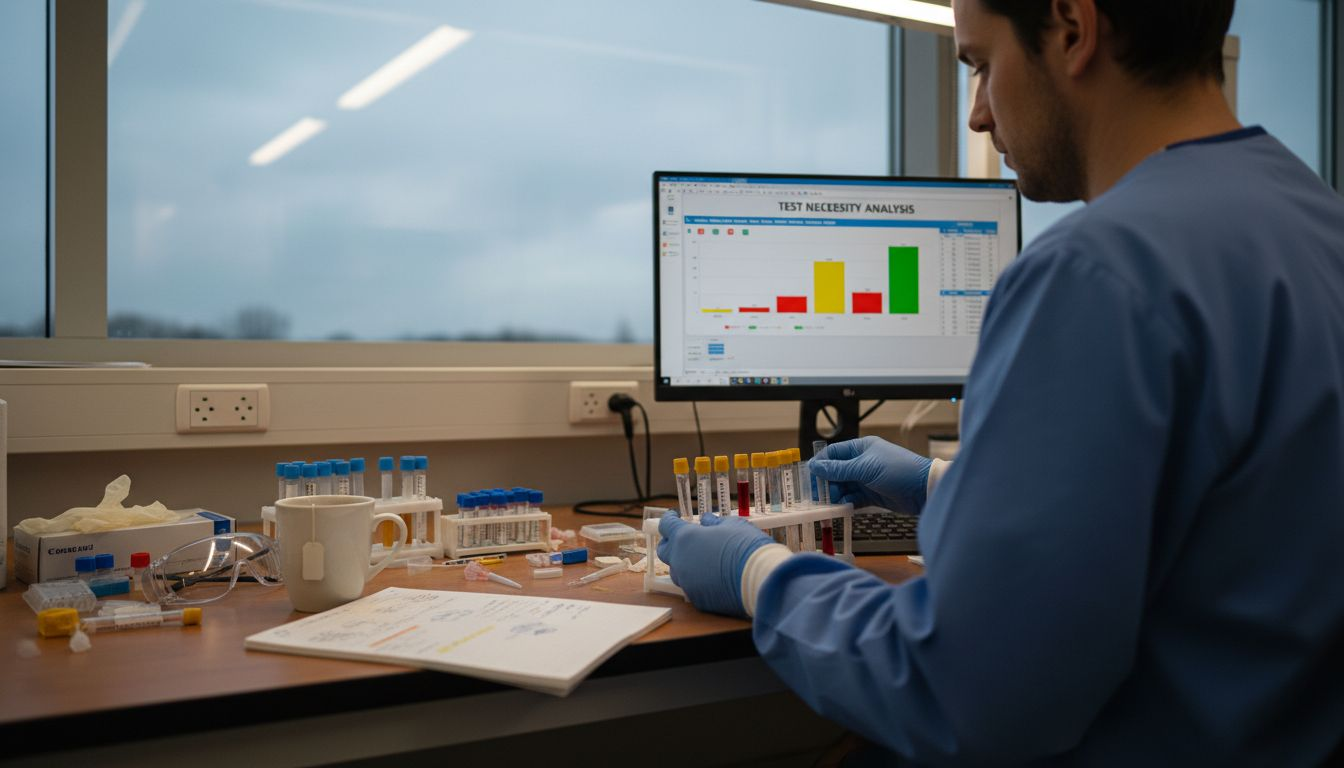
AI-driven test panels reduce unnecessary testing by about 40% by identifying which additional screenings actually matter for your specific situation. Instead of running every possible test as a precaution, algorithms analyze your initial results to recommend only relevant follow-up assessments. This targeted approach saves you money and gets you to treatment faster.
Embryo monitoring via AI scoring improves implantation prospects. Once treatment begins, AI systems continuously analyze embryo development through time-lapse imaging, identifying the embryos most likely to result in successful pregnancy. This technology evaluates hundreds of parameters that human observation might miss, giving you better odds with each transfer attempt.
Streamlined hormonal stimulation protocols reduce treatment cycles by 30%. AI algorithms optimize medication dosing based on your real-time response, eliminating the trial-and-error approach that extends traditional treatment timelines. Your body’s unique reaction patterns inform daily adjustments, maximizing efficiency.
The goal remains to initiate treatment approximately 14 days after consultation. This rapid start is achievable when your fertility treatment pathway eliminates bureaucratic delays and focuses testing on what truly informs your care plan.
Pro Tip: Ask your clinic to explain exactly which tests they require before treatment start and why each one is necessary for your specific profile. This transparency helps you understand the value of every step.
Essential checklist components:
AMH blood test for ovarian reserve assessment
Transvaginal ultrasound for AFC measurement
AI-assisted semen analysis for male fertility factors
Personalized hormonal panel based on initial findings
Pre-treatment consultation to review AI-generated protocol
Technology-Driven Treatment Tools in Fertility Care
AI embryo scoring represents one of the most impactful advances in fertility treatment. AI embryo scoring boosts implantation success by 20% compared to traditional visual assessment methods. The technology analyzes embryo images captured every few minutes, detecting subtle development patterns that predict viability with remarkable accuracy.
AI embryo scoring improves implantation success rates by up to 20% compared to traditional methods.
AI-assisted semen analysis provides 95% diagnostic sensitivity, far exceeding manual microscopy evaluation. Automated systems count sperm, assess motility patterns, and identify morphological issues with consistent precision. This eliminates the variability inherent in human analysis while delivering results in minutes rather than hours.
Mobile apps and WhatsApp offer 24/7 communication, improving satisfaction by 25%. You can message your care team with questions about medication timing, side effects, or emotional concerns without waiting for office hours. This constant connection reduces the isolation many women feel during fertility treatment.
Customized AI communication plans increase patient engagement by 35%. Instead of generic appointment reminders, you receive personalized messages timed to your treatment phase. The system sends medication instructions, preparation guidance, and encouragement exactly when you need it, keeping you actively involved in your care.
AI optimizes hormonal stimulation, reducing days needed by 30%. Traditional protocols use fixed medication schedules, but AI adjusts dosing based on your follicle development and hormone levels. This responsive approach shortens stimulation while maintaining egg quality, getting you to retrieval faster without compromising outcomes.
Pro Tip: Ask to see examples of embryo monitoring your clinic uses. Understanding the role of embryo monitoring helps you appreciate how technology improves your chances.
Key technology tools to look for:
Time-lapse embryo imaging systems
AI-powered embryo selection algorithms
Automated semen analysis equipment
Secure mobile communication platforms
Real-time hormonal monitoring dashboards
Cost and Time Comparisons of Fertility Treatment Options
The differences between traditional and AI-driven fertility clinics become clear when you compare concrete metrics. Rapid AI-assisted protocols reduce start time from 90 to 14 days and lower costs by 30%, addressing the two biggest concerns for women seeking fertility care.
Treatment Approach | Time to Treatment Start | Average Patient Cost | Clinical Pregnancy Rate | Unnecessary Tests |
Traditional Clinic | 90 days | $15,000-$20,000 | 45-50% | Standard panel for all |
AI-Driven Clinic | 14 days | $10,500-$14,000 | 60-70% | Reduced by 40% |
Patient costs are about 30% lower with AI-assisted fertility care. This savings comes from eliminating unnecessary tests, optimizing medication protocols, and reducing the number of cycles needed to achieve pregnancy. You’re not cutting corners on quality; you’re removing inefficiencies that drive up costs without improving outcomes.
Clinical pregnancy rates reach 60-70% in AI clinics versus 45-50% in traditional ones. Better embryo selection, optimized stimulation, and personalized protocols translate directly to higher success rates. This means fewer treatment cycles overall, further reducing both financial and emotional costs.
Unnecessary test reduction saves patients both time and money. When you skip tests that won’t change your treatment plan, you eliminate appointment scheduling delays, lab processing time, and out-of-pocket expenses. The cost-effectiveness in fertility becomes apparent when you compare itemized bills.
78% of patients prefer rapid start clinics, reflecting demand for speed. This overwhelming preference drives innovation in the fertility field, pushing more clinics to adopt AI tools that enable faster treatment initiation. Understanding fertility treatment costs impact helps you make informed decisions about where to seek care.
Factors driving cost differences:
Reduced diagnostic testing requirements
Optimized medication protocols using less drug volume
Fewer treatment cycles needed for success
Lower overhead from streamlined processes
Higher first-cycle success rates
Situational Recommendations: Choosing the Right Fertility Pathway for You
Your personal situation determines which fertility pathway makes the most sense. Here’s how to match your priorities with the right approach:
Choose AI-driven clinics with approximately 2 week start if speed is your top priority. Patients desiring rapid initiation should choose AI-driven clinics with approximately 2 week treatment starts. If you’ve already spent months trying to conceive, waiting another three months to begin treatment feels unbearable. Look for clinics that can commit to this timeline and have systems in place to deliver on it consistently.
Select clinics using AI embryo scoring and male fertility diagnostics to maximize success. If success rate matters more than speed or cost, prioritize technology adoption. These tools demonstrably improve outcomes, giving you the best chance of pregnancy per cycle. Review clinic data on AI integration and outcomes before committing.
Cost-conscious patients should pick clinics reducing unnecessary testing by 40%. If affordability determines whether you can pursue treatment at all, focus on facilities using AI personalization to eliminate wasteful spending. Ask for detailed cost breakdowns comparing their approach to traditional protocols. The savings add up quickly across consultation, testing, and treatment phases.
Women with good ovarian reserve benefit from streamlined hormonal protocols reducing stimulation days by 30%. If your AMH and AFC results indicate strong ovarian reserve, you’re an ideal candidate for optimized stimulation protocols. AI can fine-tune your medication to achieve excellent egg retrieval numbers in less time with lower drug costs.
Prioritize clinics offering 24/7 mobile communication support to improve engagement and manage stress. If anxiety about the process keeps you awake at night, constant access to your care team makes a tangible difference. The ability to ask questions immediately reduces worry and helps you feel supported throughout treatment.
Pro Tip: Most women find that a combination of factors drives their decision. Rank your priorities (speed, success rate, cost, support) and look for clinics that excel in your top two or three areas rather than seeking perfection across all dimensions.
Match your profile to these scenarios:
Under 35 with good ovarian reserve: Rapid AI protocols with optimized stimulation
35-40 with moderate reserve: AI embryo scoring to maximize transfer success
Limited budget: AI-driven testing personalization to reduce unnecessary costs
High anxiety: 24/7 communication support with mobile access
Previous failed cycles: Comprehensive AI tools for embryo selection and monitoring
Experience Rapid, Affordable AI-Driven Fertility Care with Aurea Fertility
Aurea Fertility specializes in AI-driven personalized fertility treatment starting in under 2 weeks. We use state-of-the-art AI embryo scoring to boost your chances of successful pregnancy while offering affordable treatment plans that reduce costs by 30% compared to traditional clinics. Our 24/7 patient support ensures continuous communication and care throughout your journey.
We understand that time matters when you’re building your family. That’s why we’ve eliminated the bureaucratic delays that make traditional fertility care so frustrating. From your first consultation to treatment start, we focus on what actually matters for your specific situation. Visit Aurea Fertility to learn how our AI integrated fertility clinic delivers better outcomes faster and more affordably. Discover more about Aurea Fertility Center and our commitment to technology-driven, patient-centered care.
FAQ
How quickly can I start treatment with AI-driven fertility clinics?
Most AI-driven clinics enable treatment starts within about two weeks after your initial consultation. This rapid start reduces treatment delay and the emotional stress of waiting months to begin. The streamlined approach eliminates unnecessary testing and administrative bottlenecks that slow traditional protocols.
Which fertility tests are essential for women under 40 using AI personalization?
Essential tests include AMH and AFC for ovarian reserve and AI-assisted semen analysis for male factors. AI algorithms reduce unnecessary testing by about 40%, focusing on these key assessments that actually inform your treatment plan. Additional tests are only recommended if your initial results indicate specific concerns.
Can rapid treatment protocols affect IVF success rates?
Rapid protocols combined with AI embryo scoring can improve success rates by 20% compared to traditional methods. Faster treatment starts do not compromise outcomes but often enhance them through optimized timing and personalized protocols. The technology ensures quality isn’t sacrificed for speed.
How does 24/7 patient communication improve fertility treatment experience?
Mobile apps and messaging platforms improve satisfaction by 25% by providing continuous support that eases stress. You can ask questions anytime without waiting for office hours, reducing anxiety and improving engagement during treatment. This immediate access makes you feel supported throughout the process.
What cost savings can I expect with AI-personalized fertility care?
AI personalization reduces unnecessary fertility testing by up to 40%, lowering overall costs by approximately 30%. These savings come from eliminating wasteful testing, optimizing medication protocols, and achieving success in fewer cycles. AI-driven clinics help make fertility care more affordable without sacrificing quality or outcomes.
Recommended
Comments